Source Screen Cleaner for Mobile Phones, Tablets, and Cameras
Compare 30 screen cleaner options including microfiber cloths and sprays for mobile phones, tablets, and cameras. Buyers can evaluate customization, materials, and pricing to find suitable industrial or consumer solutions; compare the available evidence and request quotations based on your requirements.
Key considerations
Products List


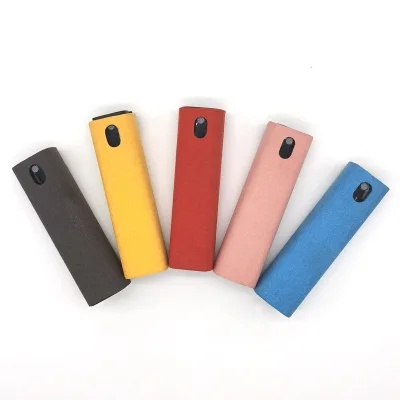


$3000.00 - $8000.00
Moq: 1


Comprehensive Sourcing Guide
Screen Cleaner Sourcing Guide
Sourcing screen cleaners requires a clear distinction between liquid formulations and physical cleaning tools, as the supply chain dynamics differ significantly. Buyers must first determine whether they need chemical sprays for deep cleaning or microfiber cloths for dry wiping. The market offers both, with some products combining these elements into dual-function kits. Understanding this split is essential for evaluating supplier capabilities and production timelines.
Procurement teams should also consider the target market’s regulatory environment, particularly for liquid products containing solvents or alcohols. Physical cleaners like microfiber cloths generally face fewer restrictions but require attention to material quality and packaging standards. Aligning product selection with end-user expectations ensures that the sourced items meet functional requirements while complying with international trade regulations and safety standards.
Product Scope and Observed Listing Signals
The current market landscape includes a diverse range of screen cleaning solutions, from industrial microfiltration machines to consumer-grade mobile phone cleaners. Listings indicate a wide price range, reflecting variations in material quality, packaging, and customization options. Buyers should note that some products are marketed as universal cleaners suitable for various devices, while others are specialized for specific applications like cameras or tablets.
Observed product attributes highlight a strong trend toward portability and convenience. Many items are designed to be small and lightweight, making them ideal for retail distribution or promotional giveaways. Features such as waterproof construction and creative styling are common selling points. Additionally, the availability of logo printing services suggests that many suppliers cater to private label buyers seeking branded merchandise for corporate or retail channels.
Technical Specifications to Verify
When evaluating screen cleaners, buyers must verify key technical specifications that impact performance and usability. For liquid sprays, the formulation’s compatibility with different screen coatings is critical to avoid damage. For physical cleaners, the fiber density and weave pattern of microfiber cloths determine their effectiveness in trapping dust and oils. Buyers should request detailed material compositions to ensure the products meet their specific cleaning needs.
Packaging dimensions and weight are also important factors, especially for logistics planning. Single package sizes and gross weights influence shipping costs and storage requirements. Additionally, the inclusion of features like spray nozzles or dual-sided cleaning surfaces can enhance user experience. Verifying these specifications early in the sourcing process helps prevent mismatches between supplier claims and actual product performance.
Compliance and Safety Documentation
Compliance with safety standards is paramount, particularly for liquid screen cleaners that may contain volatile organic compounds or irritants. Buyers should ensure that suppliers provide Material Safety Data Sheets (MSDS) and relevant chemical composition reports. These documents are essential for customs clearance and for informing end-users about safe handling and storage practices. Non-compliance can lead to shipment delays or legal liabilities in certain markets.
For physical cleaners, compliance often relates to material safety and environmental regulations. Buyers should verify that microfiber materials are free from harmful chemicals and meet textile safety standards. Additionally, packaging materials should be recyclable or compliant with local waste management regulations. Requesting certification documents from suppliers helps ensure that the products meet international safety and environmental benchmarks.
Cost Drivers and Commercial Terms
Several factors influence the cost of screen cleaners, including material quality, packaging complexity, and customization requirements. Products with custom logos or unique packaging designs typically incur higher costs due to setup fees and additional labor. Buyers should also consider the impact of order volume on pricing, as larger orders often benefit from economies of scale. Understanding these cost drivers helps in negotiating favorable terms with suppliers.
Commercial terms such as payment methods, lead times, and minimum order quantities (MOQs) vary widely across suppliers. Some suppliers offer flexible MOQs to accommodate small businesses, while others require larger commitments. Payment terms like Trade Assurance provide security for buyers, ensuring that funds are released only upon satisfactory delivery. Clarifying these terms early in the negotiation process helps avoid unexpected costs and delays.
Supplier Qualification and Quality Control
Supplier qualification is a critical step in ensuring the reliability and consistency of screen cleaner supplies. Buyers should assess suppliers’ production capabilities, quality control processes, and track record in the industry. Requesting samples allows buyers to evaluate product quality firsthand before committing to larger orders. Additionally, verifying the supplier’s ability to meet customization requests is essential for private label projects.
Quality control measures should include regular inspections of raw materials, production processes, and finished goods. Buyers should inquire about the supplier’s defect rate and their procedures for handling non-conforming products. Establishing clear quality standards and communication channels helps maintain product consistency and addresses issues promptly. A robust quality control system is vital for building long-term supplier relationships and ensuring customer satisfaction.
Long-Term Procurement Checks
Long-term procurement success depends on continuous monitoring of supplier performance and market trends. Buyers should regularly review supplier delivery times, product quality, and responsiveness to issues. Establishing key performance indicators (KPIs) helps track supplier reliability and identify areas for improvement. Additionally, staying informed about industry developments ensures that sourced products remain competitive and relevant to end-user needs.
Building a diversified supplier base reduces dependency on single sources and mitigates supply chain risks. Buyers should periodically evaluate alternative suppliers to ensure they are getting the best value and quality. Regular communication with suppliers fosters collaboration and encourages innovation in product development. By maintaining a proactive approach to supplier management, buyers can secure a stable and efficient supply of screen cleaners for their business needs.
FAQs
What types of screen cleaners are available for industrial use?
Industrial screen cleaners include microfiltration machines designed for physical treatment in agriculture and industrial settings. These units often feature channel depths up to 9000mm and specific installation angles. They are built for heavy-duty applications requiring robust filtration capabilities and standardized compliance.
Can I customize the packaging for mobile phone screen cleaners?
Yes, customization is available for mobile phone screen cleaners. Standard packaging includes individual polybags, but custom requests are acceptable. Buyers can specify unique packaging requirements to suit their branding or logistical needs, ensuring the product arrives securely while meeting specific commercial standards.
What is the typical lead time for screen cleaner orders?
The typical delivery time for screen cleaner orders is 1-7 working days. This rapid turnaround supports urgent procurement needs. Buyers should confirm specific timelines with suppliers, as lead times may vary based on order volume, customization requirements, and current production schedules at the manufacturing facility.
Which certifications do screen cleaner manufacturers typically hold?
Manufacturers typically hold ISO and SGS certifications for their screen cleaning products. These standards ensure quality and safety compliance. Buyers can verify these credentials to confirm that the products meet international regulatory requirements, providing assurance regarding the reliability and consistency of the manufacturing processes involved.
How does the material composition affect screen cleaner performance?
Screen cleaners often use high adsorption fine fiber cloth combined with plastic components. This material choice enhances cleaning efficiency for mobile devices. The microfiber material effectively captures dust and smudges without scratching surfaces, ensuring optimal performance for cleaning phones, tablets, and camera lenses during daily use.
What is the minimum order quantity for screen cleaner products?
The minimum order quantity varies, with some products starting at 100 pieces. Other industrial items may have higher MOQs up to 20000 units. Buyers should check specific product listings for exact MOQ values, as requirements depend on the product type, customization level, and supplier policies.